Water Infrastructure Solution
Integrated Pipeline, Pumping, Drainage & Flood Control Systems
Integrated water infrastructure solutions covering pipelines, drainage, pumping, automation and flood-control systems for municipal, industrial and building applications.
OVERVIEW
Water Infrastructure Solution
Cheng Ho International supplies and integrates water infrastructure products for municipal, industrial, commercial and building applications. The portfolio covers water-supply and sewerage pipelines, building plumbing, rainwater drainage, cable-protection ducts, booster systems, pumping stations, flood-control equipment, electrical distribution, automation and supporting civil and M&E works. Our role can range from product supply and technical selection to complete system integration, installation and commissioning. By coordinating pipelines, pumps, valves, screens, gates, controls and monitoring systems, we help clients develop infrastructure that is easier to operate, maintain and expand.

Pipeline Systems
HDPE, PPR, stainless steel, PP silent pipe, municipal sewerage, power and communication ducts. Each system is selected according to pressure, temperature, fluid, loading, jointing and authority requirements.

Drainage Systems
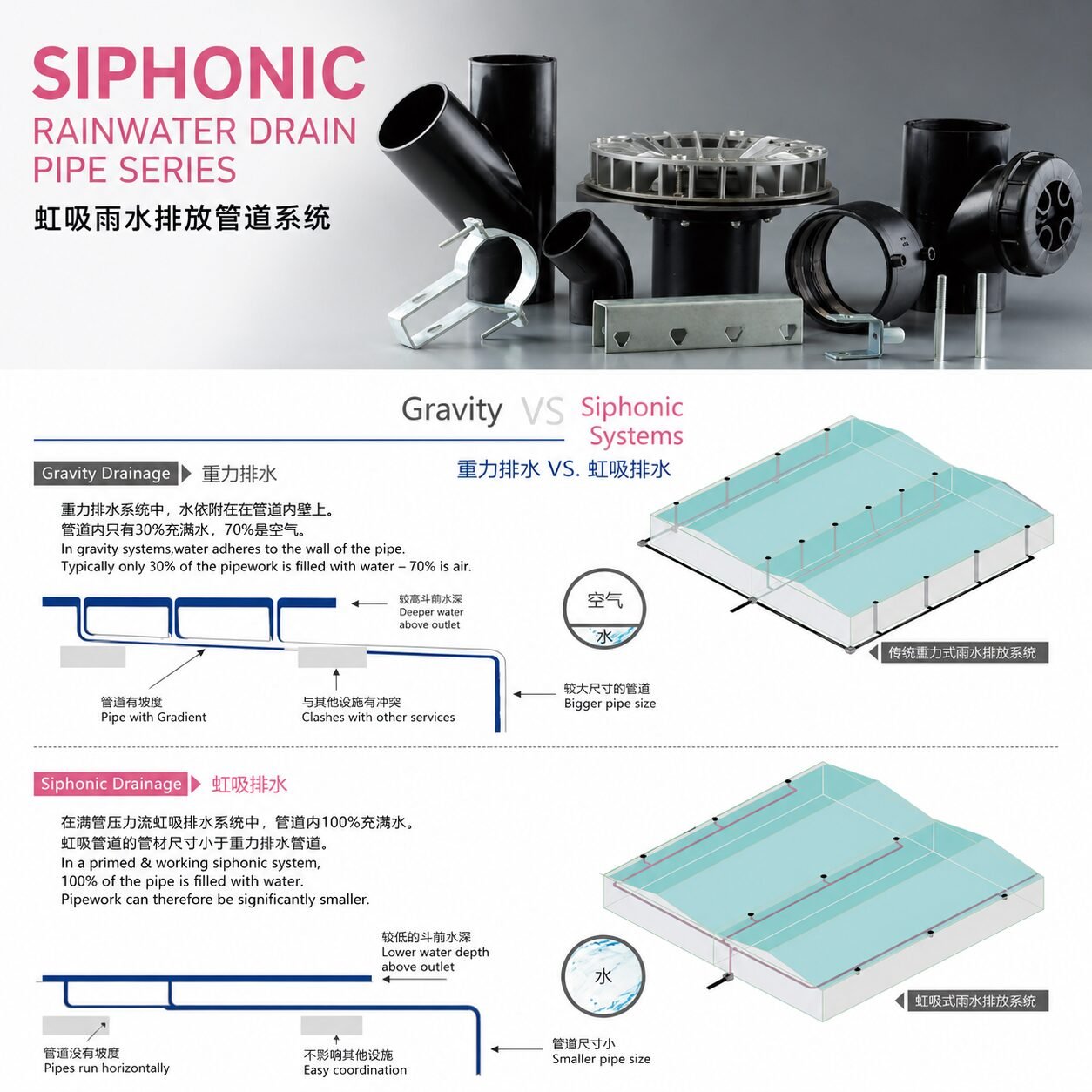
Siphonic roof drainage, same-floor drainage, rainwater systems and municipal drainage. Hydraulic design, overflow provision, access and installation coordination are central to reliable performance.

Pump Systems
Submersible, sewage, horizontal, vertical and booster-pump configurations for water supply, wastewater, drainage, fire protection, industrial processes and flood control.

Mechanical Equipment
Rotary trash screens, penstocks, sluice gates, roller gates, stoplogs, pipework, lifting equipment and fabricated accessories for pumping and hydraulic structures.

Electrical Systems
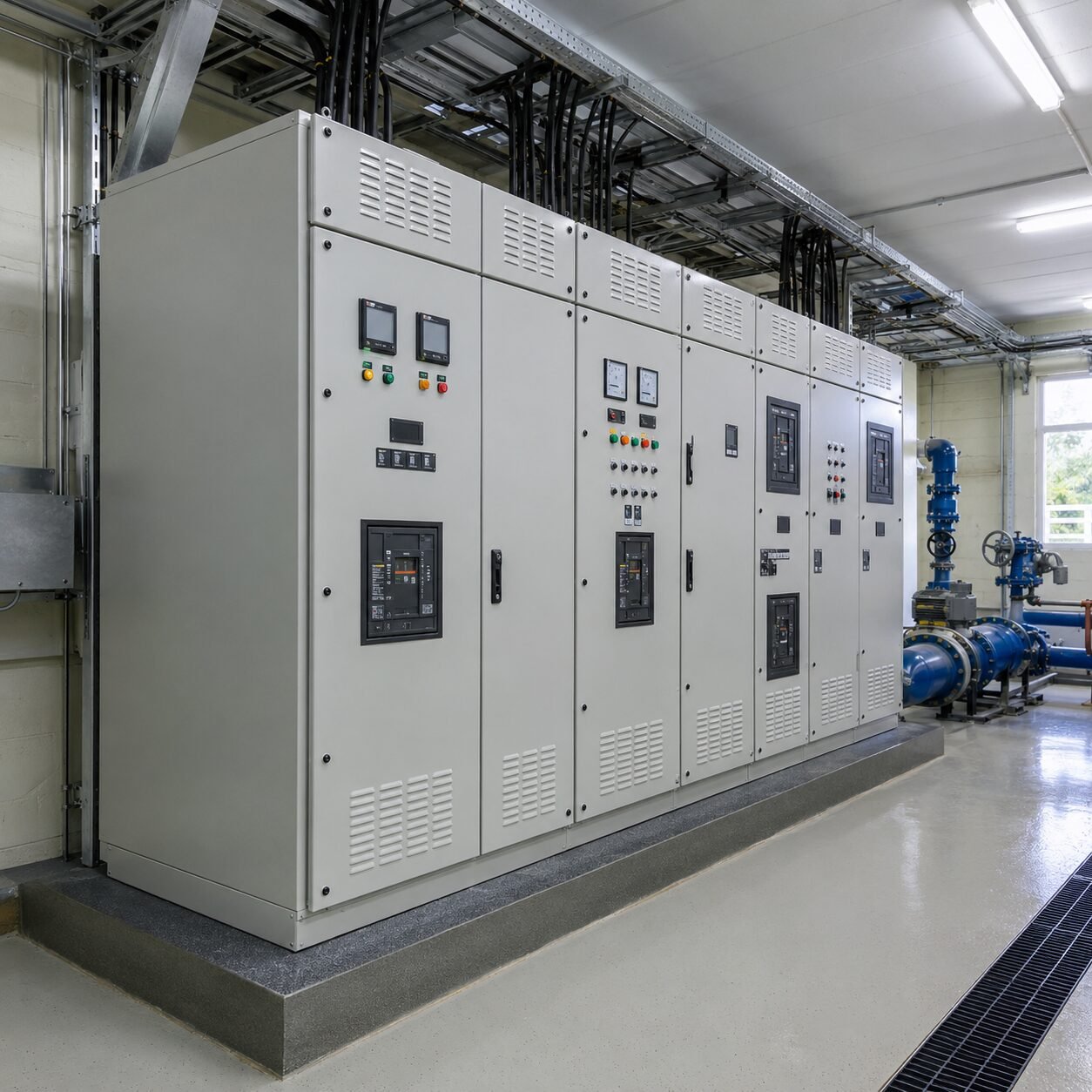
Control panels, MSB, motor control, SCADA, CCTV, generators, sensors and communications that automate facilities and support remote monitoring, alarms and diagnostics.

Flood Control
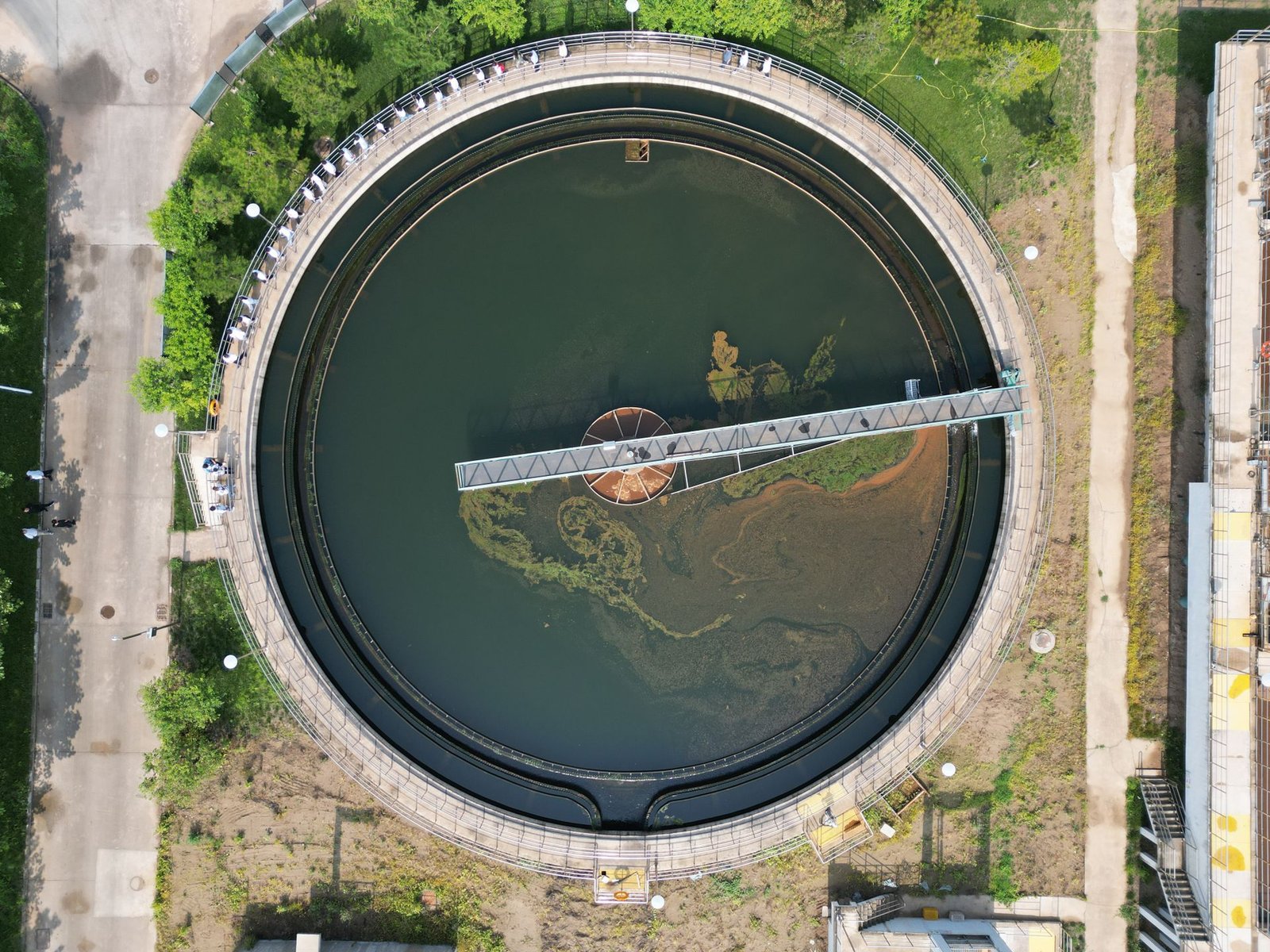
Integrated civil, mechanical and electrical works for retention ponds, pumping stations, drainage channels and river-control facilities, coordinated as one operational system.
HDPE Pipeline Systems
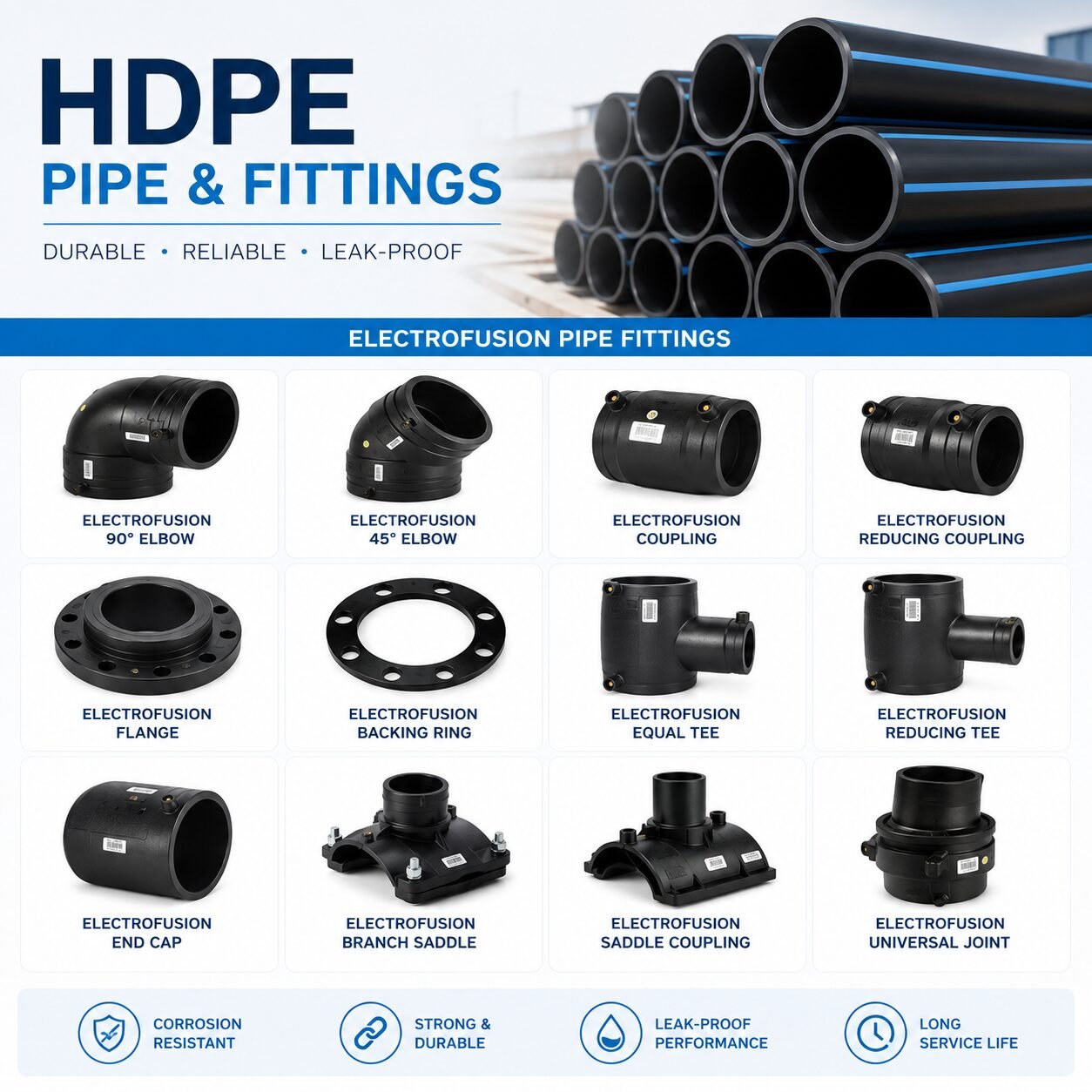
HDPE Pipes & Fittings
High-density polyethylene (HDPE) pipeline systems are suitable for water supply, sewerage, industrial transfer, irrigation, telecommunications and power infrastructure. Their flexibility allows the pipe to accommodate controlled ground movement and route changes more effectively than many rigid systems, while the smooth internal surface supports efficient flow. Butt-fusion and electrofusion methods can create continuous, leak-resistant joints when installed by trained personnel using approved procedures. HDPE pipes can be supplied in different diameters, pressure classes and wall thicknesses for buried, above-ground or trenchless applications.
Connection Options

Butt Fusion
For larger pipeline sections.
Electrofusion
For strong, controlled joints.
Hot-Melt Socket
For smaller-diameter pipes

Mechanical & Flange
For system-specific connections.
Key Advantages
- Corrosion-resistant and smooth internal surfaces.
- Flexible routing and resistance to impact.
- Reliable fused connections when correctly installed.
- Broad application range across utility and infrastructure projects.
PPR Hot & Cold Water Systems
PPR Pipes & Fittings
Polypropylene Random Copolymer (PPR) systems are designed for hot and cold water distribution in residential, commercial and selected industrial buildings. Heat-fusion joining creates an integrated connection between pipe and fitting when the correct heating time, insertion depth and installation procedure are followed. The material is lightweight, corrosion-resistant and has relatively low thermal conductivity, which can support energy efficiency in hot-water services. Final pipe series, pressure class, temperature limit, support spacing and expansion allowance must be selected according to the operating conditions and relevant plumbing standards.
Product Benefits

Safe and convenient heat-fusion connection.
Good resistance to corrosion and many common water conditions.
Low thermal conductivity, supporting heat preservation.
Lightweight installation and a complete range of fittings.
Recyclable material and long service potential under approved operating conditions.

Reduced water-flow noise compared with many rigid metal systems.
Stainless Steel & PP Silent Pipe Systems
Stainless Steel Pipes & Fittings
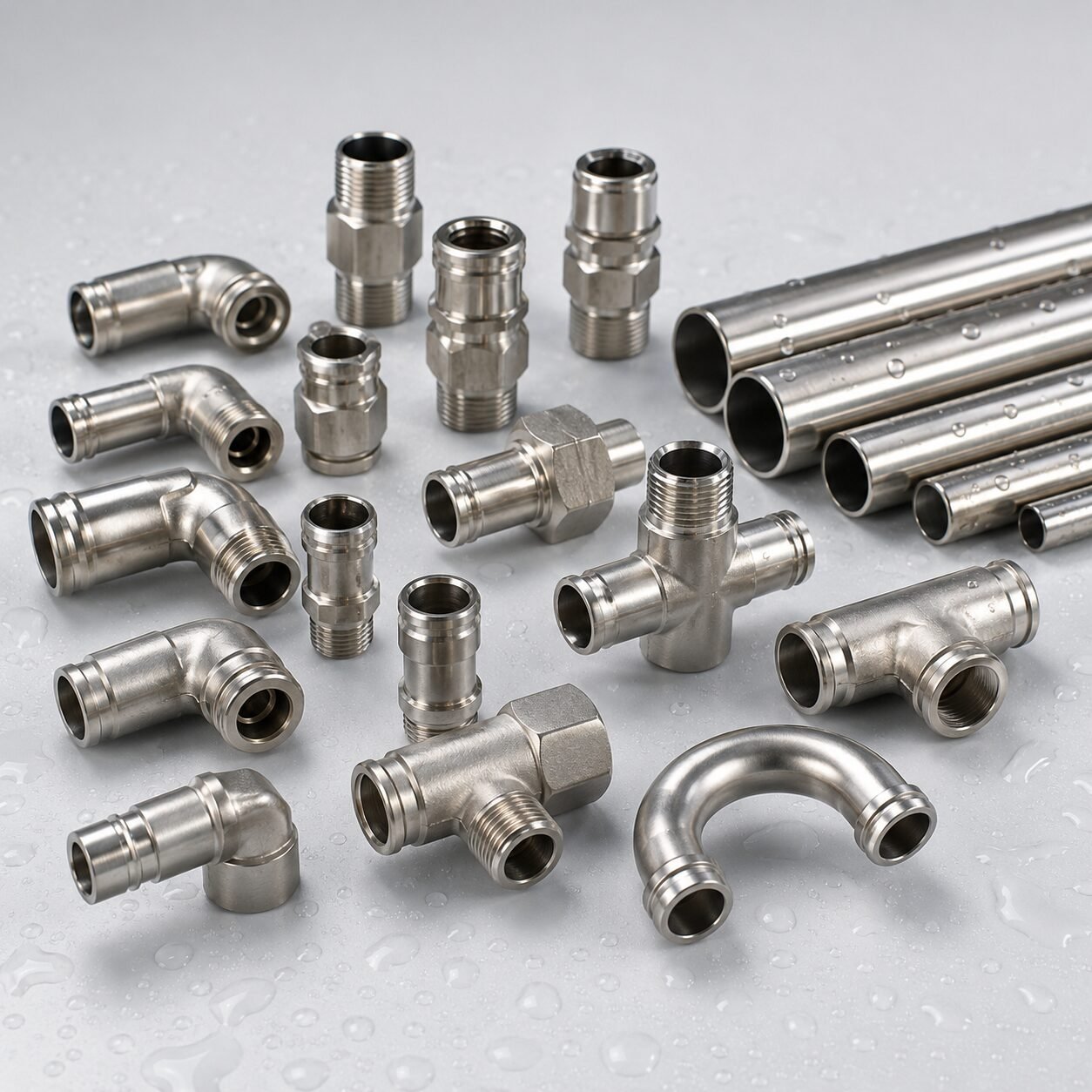
SS304 and SS316 stainless-steel pipeline systems provide a hygienic, rigid and corrosion-resistant solution for potable water, commercial buildings, industrial services and selected high-specification applications. Their smooth internal surfaces support cleanliness and efficient flow, while the mechanical strength of stainless steel suits exposed or demanding services. Press-fit, grooved, threaded or welded connections may be used depending on system size and duty. Final grade, wall thickness, fitting type and jointing method must be selected according to water chemistry, temperature, pressure and the relevant standards.
PP Super Silent Drainage
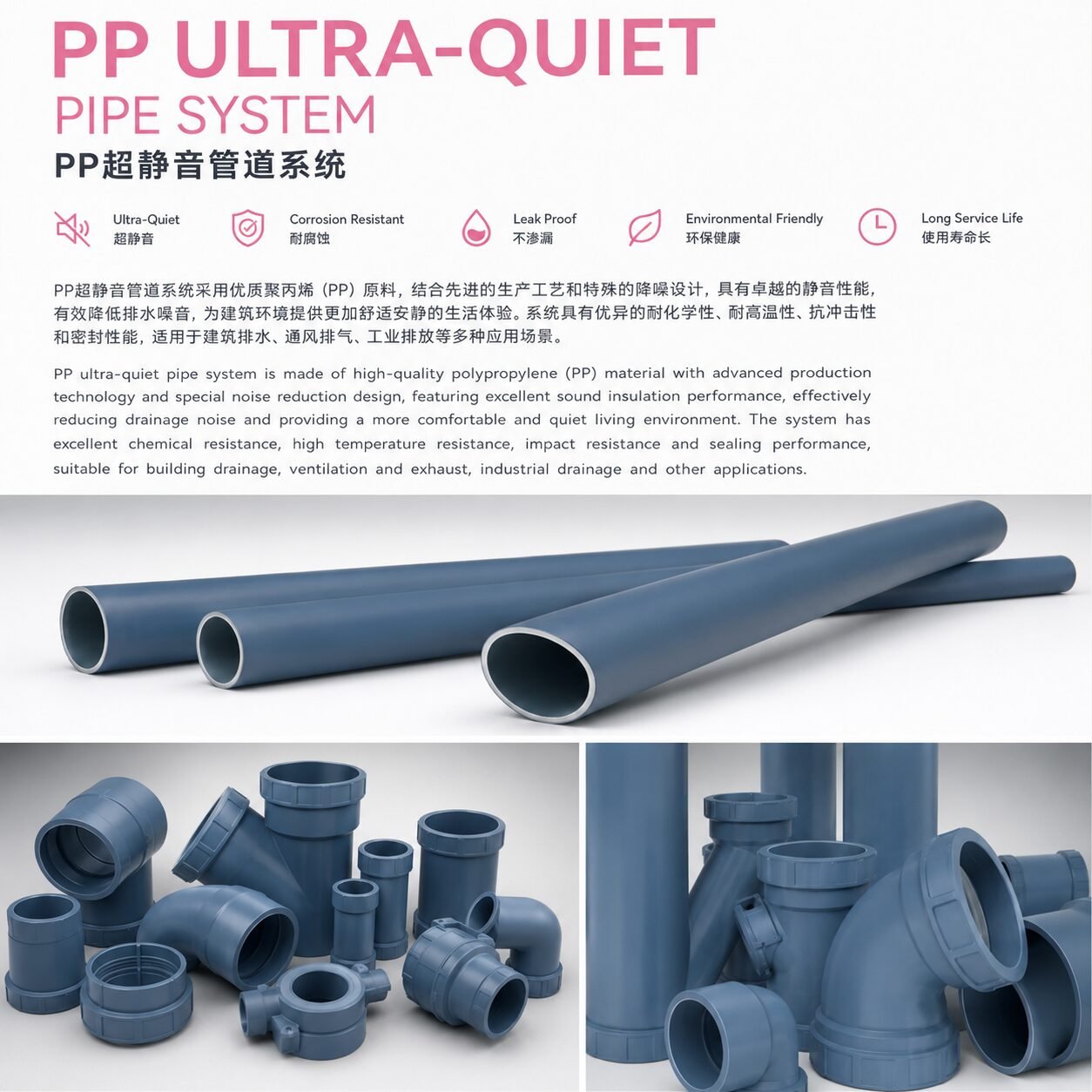
PP silent pipe systems are designed for building drainage where acoustic comfort is important. Their engineered multilayer wall structure, smooth internal surface and compatible fittings help reduce the transmission of discharge noise through hotels, hospitals, apartments, offices and premium residential projects. The system is lightweight and can simplify handling in shafts and ceiling spaces. Correct acoustic performance depends on pipe selection, bracket spacing, resilient supports, wall penetrations, shaft construction and connection detailing, so the complete installation method is as important as the pipe material itself.
Stainless Steel Strengths
Hygienic surface, corrosion resistance, rigidity, clean appearance and long service potential. SS304 or SS316 is selected according to water chemistry, chloride exposure, temperature and application.
PP Silent Strengths
Low-noise drainage, lightweight handling, compatible fittings and reduced corrosion concerns. Acoustic results depend on supports, penetrations, shafts and installation detailing.
Siphonic & Same-Floor Drainage Systems
Siphonic Rainwater Drainage
Siphonic roof drainage systems are engineered to operate with full-bore flow during the selected design rainfall event. Special roof outlets restrict air entry so the pipe network can develop negative pressure and transport water at higher velocity than a conventional gravity system. This can reduce the number or diameter of vertical downpipes, allow long horizontal runs at high level and give designers greater freedom in locating discharge points. Hydraulic modelling, overflow provision, roof-outlet coordination, structural support and installation quality are essential to safe performance.
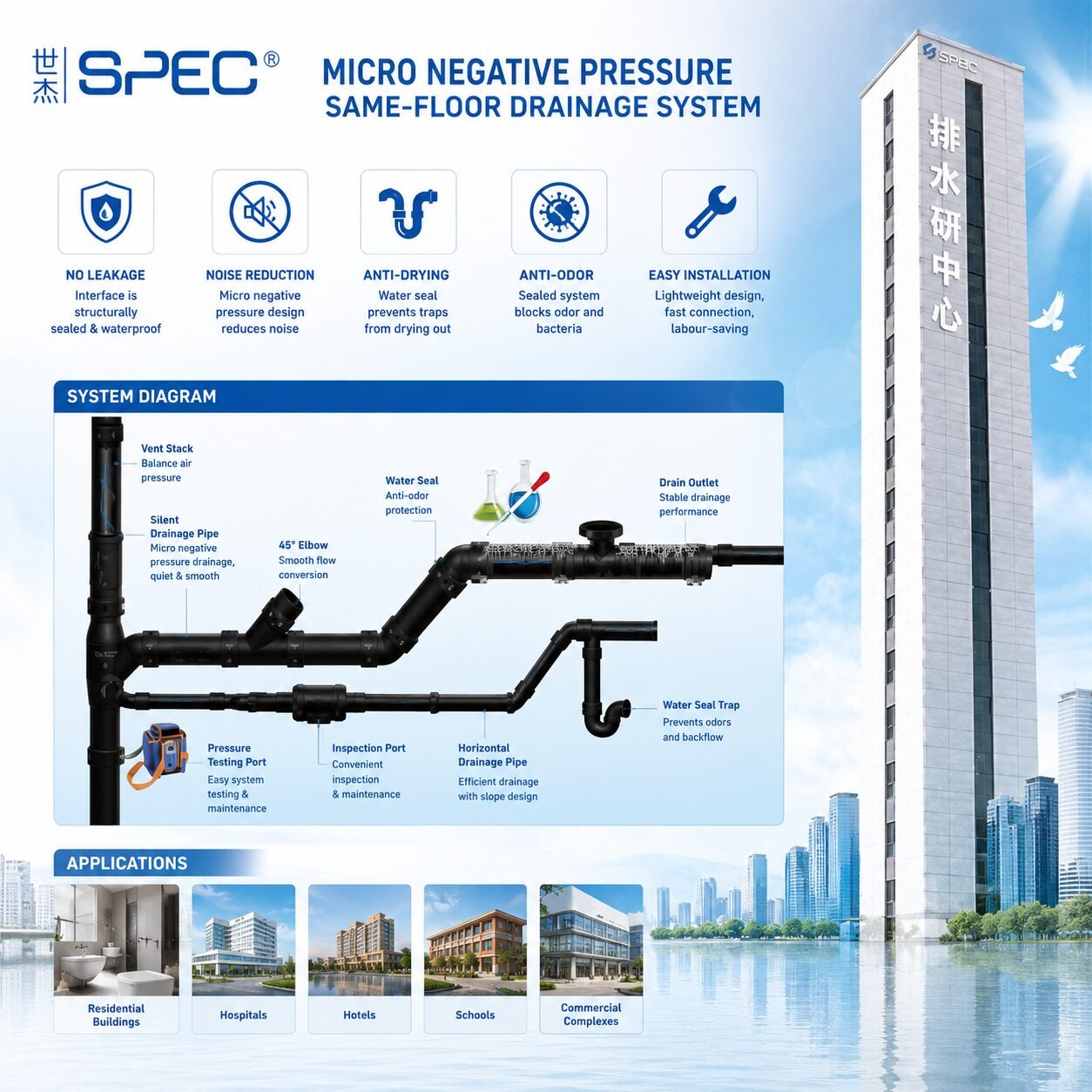
Micro Negative Pressure Same-Floor Drainage
Same-floor drainage places branch pipes, traps and service access within the same storey rather than routing them through the ceiling of the unit below. This can improve maintenance access, reduce disturbance between occupants and provide greater flexibility in bathroom planning. Engineered drainage components may also help stabilise air pressure, protect trap seals and improve discharge behaviour. Successful implementation requires careful coordination of floor depth, waterproofing, gradients, acoustic treatment, access panels and fixture connections with the architectural and structural teams.
Municipal, Power & Communication Pipeline Systems
Municipal Sewerage & Drainage
Underground sewerage and stormwater systems using HDPE pipes, manholes and drainage components for municipal and development projects.
Power Pipeline Systems
HDPE cable ducts protect underground power infrastructure across roads, developments and utility corridors.
Communication & Network Pipelines
HDPE ducts and microduct systems protect fibre-optic, telecommunications and data networks.
Secondary Water Supply
Integrated tanks, booster pumps and controls maintain stable water pressure for high-rise buildings and large facilities.
Pump Systems & Pumping Stations
Pumping Solutions
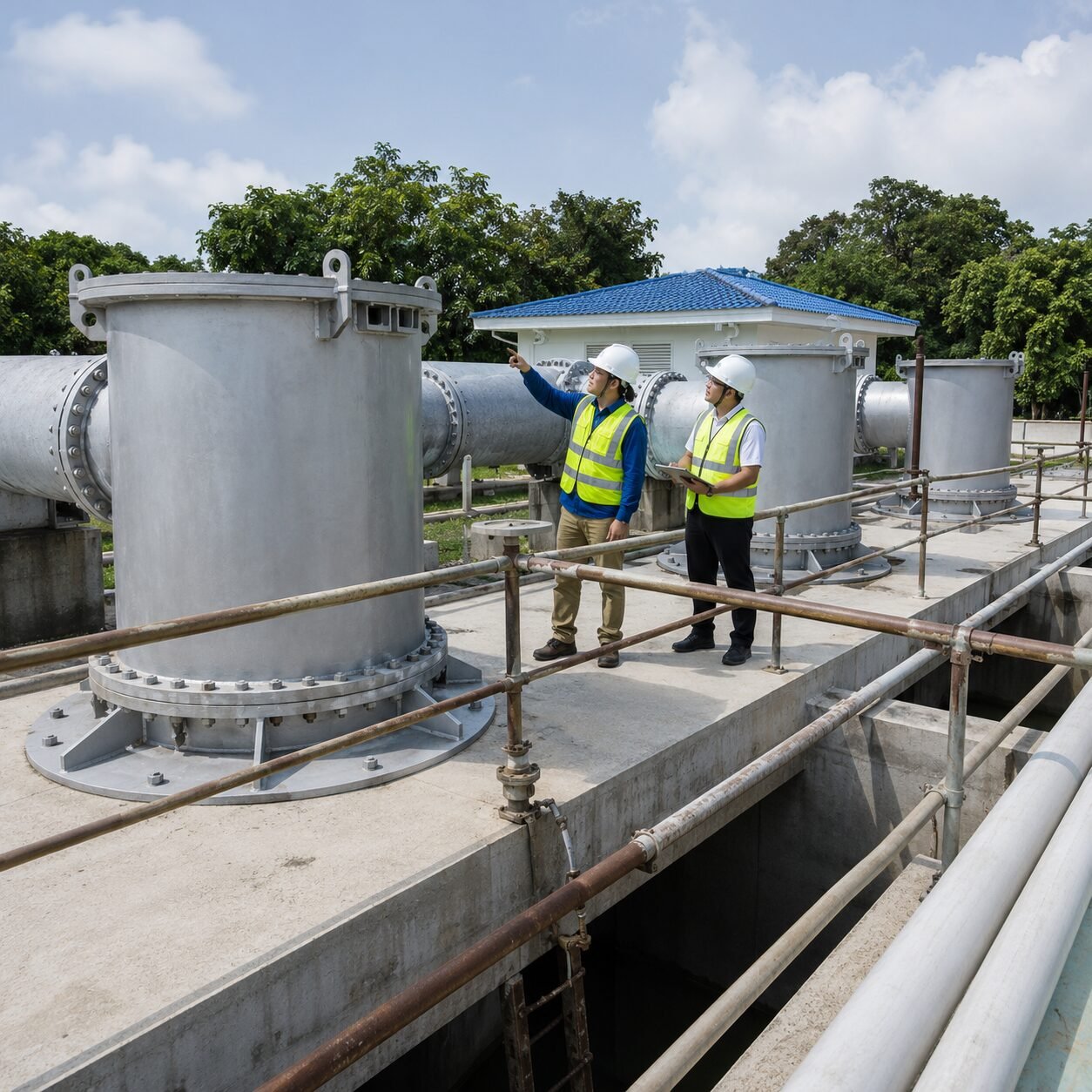
Cheng Ho International supplies pump systems and supporting equipment for water supply, sewage, drainage, fire protection, industrial processes and flood-control pumping stations. The portfolio can include submersible, sewage, horizontal, vertical and multistage booster pumps, together with valves, pipework, lifting equipment, instrumentation and control panels. Equipment selection is based on flow and head, fluid characteristics, solids content, operating profile, installation arrangement, energy efficiency and lifecycle requirements. Critical facilities may also require duty/standby redundancy, flood protection, emergency power and safe maintenance access.
Product Benefits

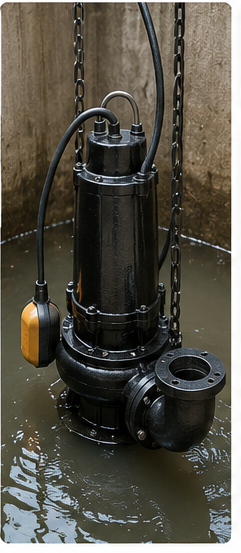
Submersible Pumps
For sewage, drainage, dewatering and wet-well applications.
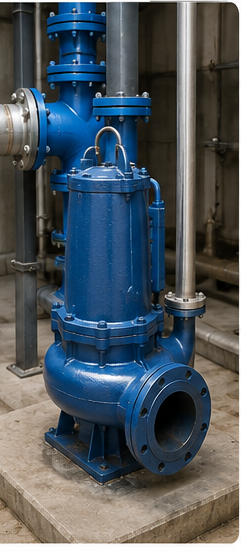
Sewage Pumps
For wastewater transfer and solids-handling duties.
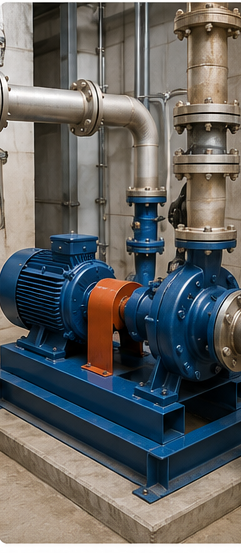
Horizontal Pumps
For water transfer, industrial processes and dry pump-house installations.
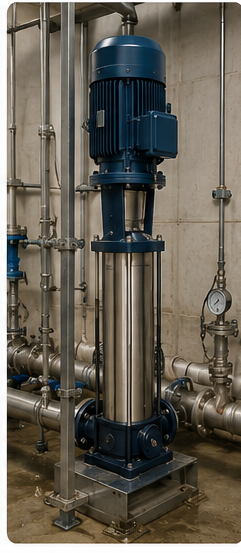
Vertical Pumps
For large water-transfer, intake and flood-control applications.
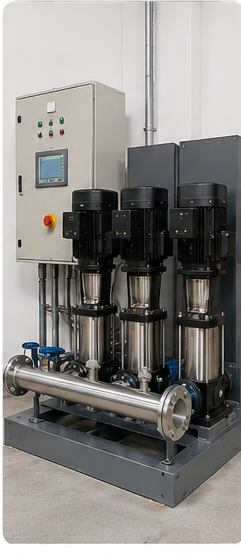
Booster Systems
Variable-speed systems that maintain stable building water pressure.
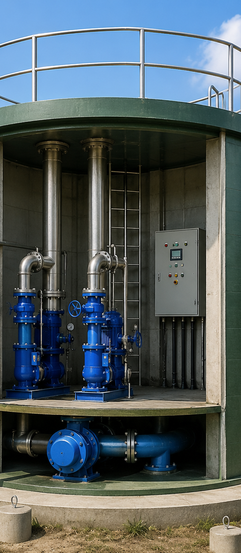
Integrated Pump Stations
Complete pump, valve, control and monitoring systems in one facility.
Mechanical Equipment & Flood Control
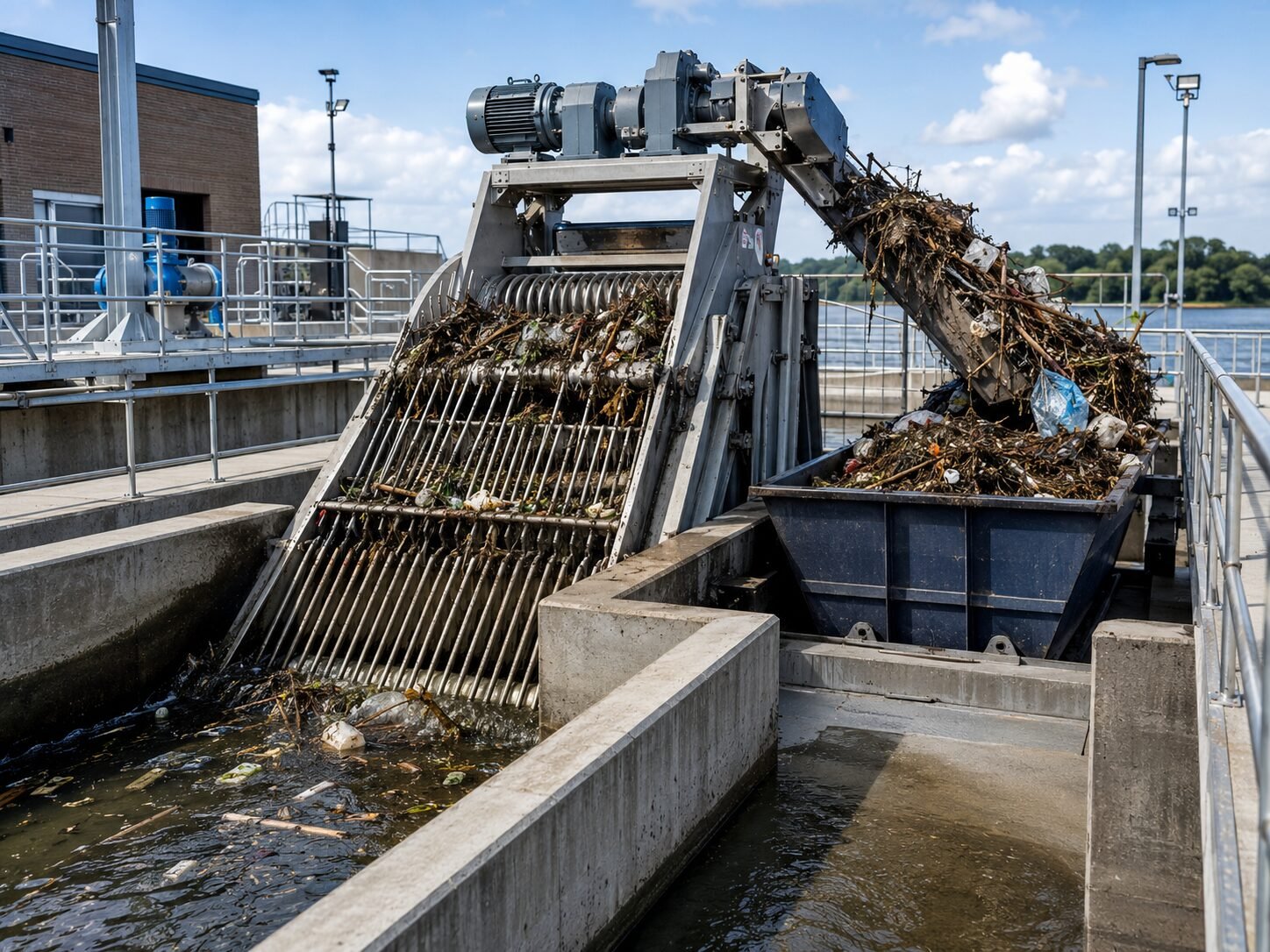
Rotary Trash Screens
Rotary screening equipment removes debris from intake channels before it reaches pumps and downstream systems. Motor-driven rake assemblies engage the screen bars, lift captured material and discharge it into a collection area or bin. By preventing branches, plastics and floating waste from entering the pump station, screens can reduce blockage, equipment damage and unplanned maintenance. Screen-bar spacing, channel dimensions, head loss, lifting capacity, corrosion protection and cleaning frequency are selected according to project conditions, and the system can be connected to level sensors and SCADA alarms.

Water-Control Gates
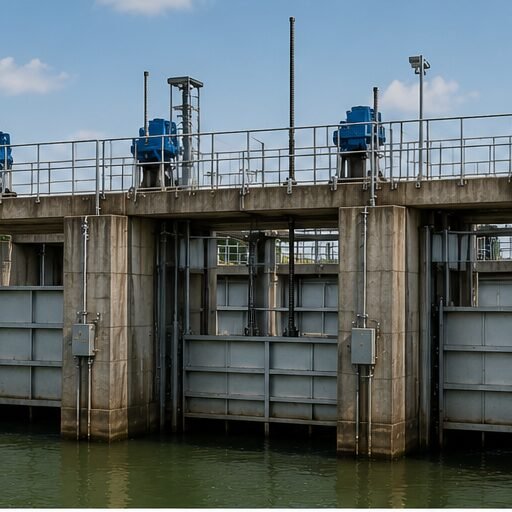
Our water-control gate solutions include penstock gates for controlled flow isolation, sluice gates for channels and drainage systems, roller gates for larger openings and heavy-duty conditions, and stoplogs for temporary or maintenance isolation.
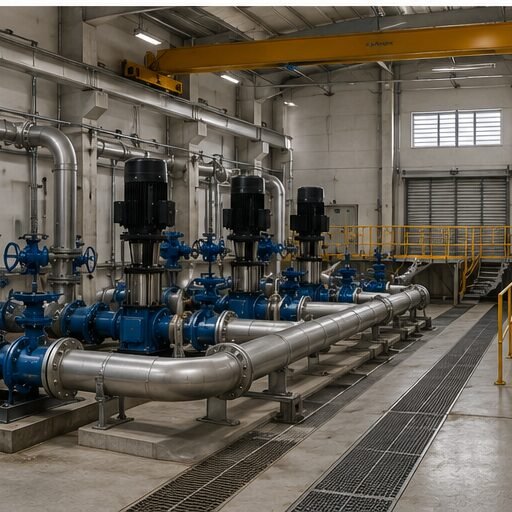
Supporting Mechanical Works
Our supporting mechanical works cover column and discharge pipes, maintenance platforms, overhead cranes, HDPE flap gates, trash collection bins, and custom-fabricated mild-steel or stainless-steel accessories for project requirements.

Electrical, Automation & Monitoring Systems
Control Panels & Smart Pump Stations
Electrical control panels can automate pump operation, manage variable-frequency drives, monitor pressure, flow, level and power consumption, balance pump loading and provide alarms or remote diagnostics. Programmable logic controllers can support operating sequences, interlocks, duty rotation, fault handling and energy optimisation. Integrated pump stations may combine pumps, valves, pipework, controls and IoT communications within a prefabricated or project-built facility. The wider electrical scope can include Main Switchboards, motor-control centres, utility interfaces, SCADA, CCTV, generators, external lighting and communication networks.

Main Switchboard (MSB)
Receives, protects, measures and distributes electrical power to pumps and auxiliary systems. Final ratings, fault level, separation and utility metering must comply with approved electrical design.
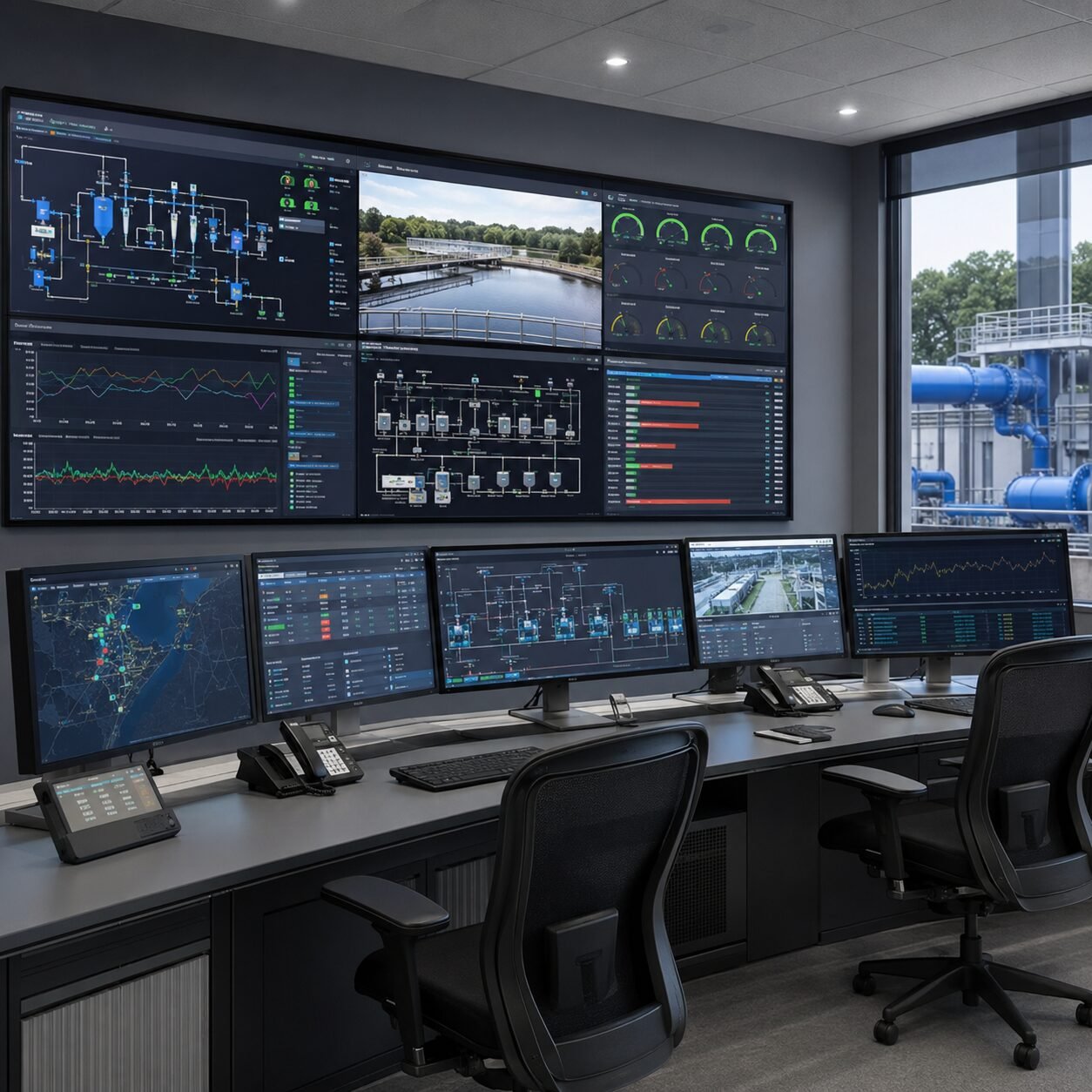
SCADA
Provides central monitoring, status visualisation, alarms, trends, reports and remote control. It can integrate pumps, gates, levels, power systems, CCTV and environmental sensors.
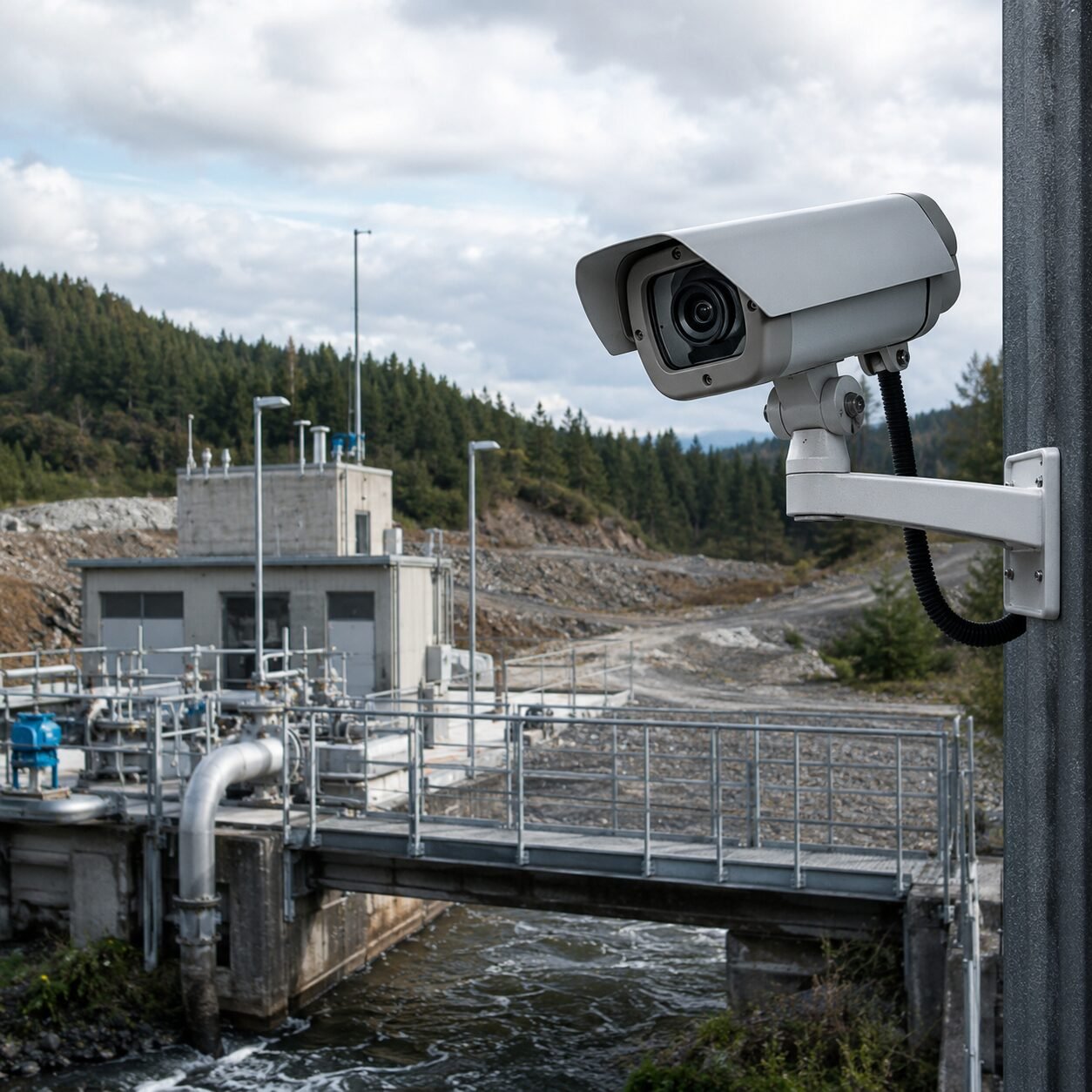
CCTV
Supports security, equipment observation and incident review at remote facilities. Camera rating, lighting, data storage and communication method are selected for the site environment.
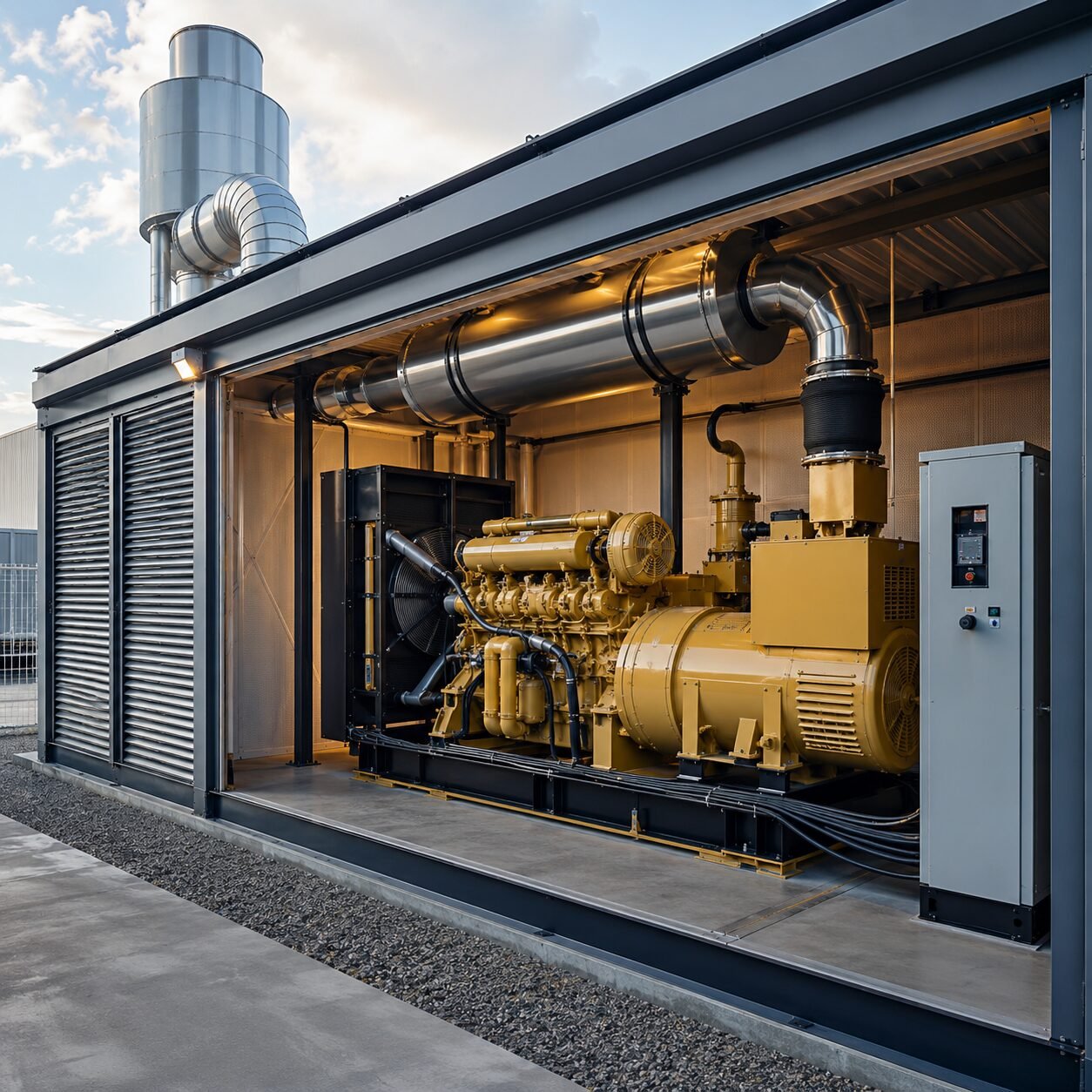
Generator
Provides standby power and automatic recovery capability during grid interruption. Sizing must consider motor-starting current, ventilation, fuel storage, noise and operating duration.

TNB / Utility Interface
Designed in accordance with approved utility, Energy Commission, consultant and project requirements, including metering, protection, earthing and access provisions.
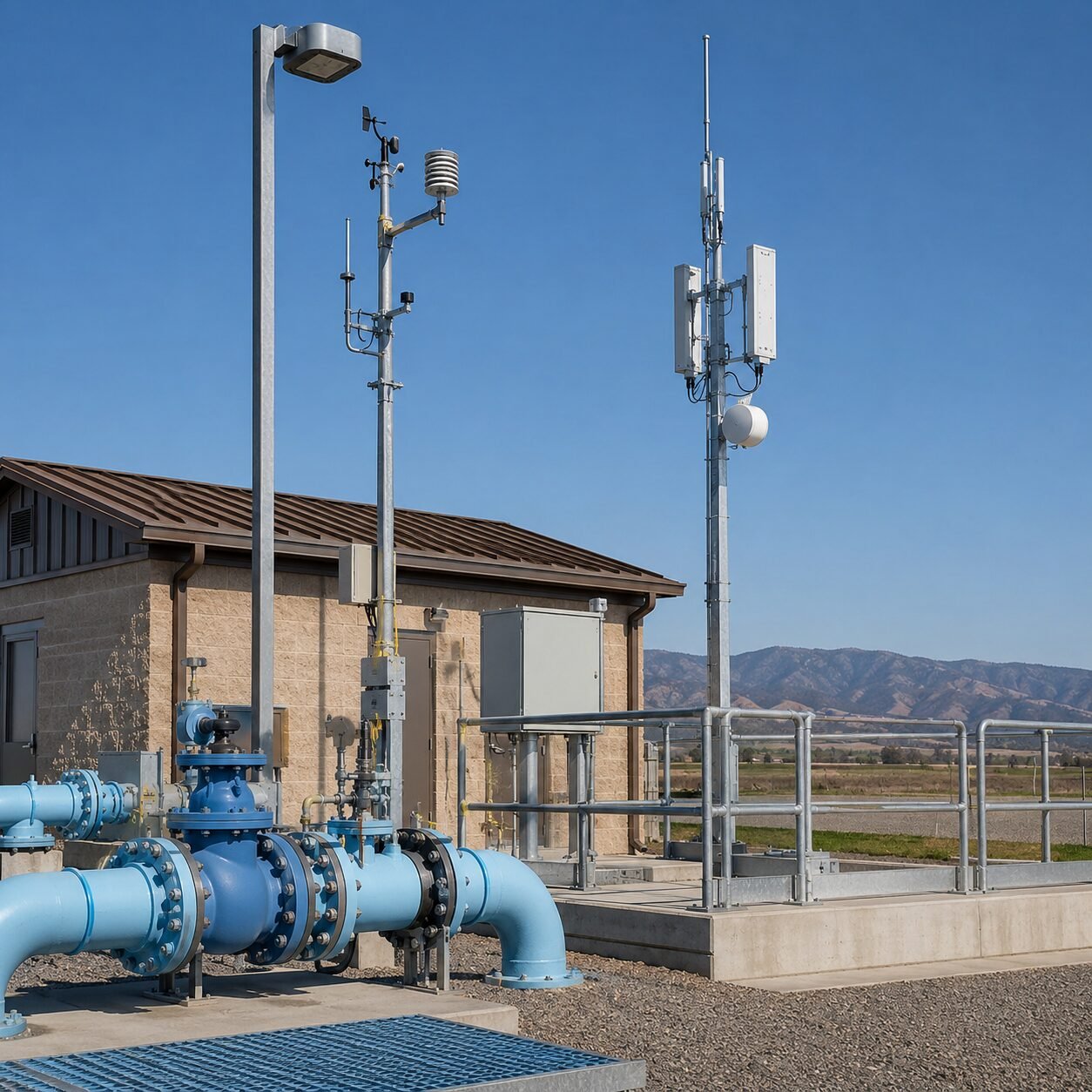
External Systems
Can include lighting, communication networks, sensors, weather stations and remote telemetry to support safe site access and reliable facility operation.